
What Causes Back Pain During Pregnancy?
Pregnant individuals frequently experience back discomfort as the body undergoes significant changes. Most commonly, the pain centers in the lower back or hips and is linked with weight gain, posture shifts, and hormonal changes that relax the joints. In Saratoga Springs, NY, where winter snow and uneven sidewalks can add to daily stress, local residents may also notice seasonal factors affecting their comfort and mobility during pregnancy.
Are Home Remedies Safe for Managing Back Pain?
Many simple home measures can safely reduce discomfort. Gentle approaches tend to be well tolerated, especially as strenuous options are often not recommended.
Some practical, low-risk methods include:
- Using a supportive, firm mattress
- Sleeping with a pillow between the knees for proper alignment
- Applying a warm (not hot) compress to tight muscles
- Practicing gentle stretches designed for pregnancy
Frequent walking around the neighborhood or local parks can be helpful, weather permitting. Icy or snow-covered sidewalks in Saratoga Springs may require extra caution or indoor alternatives during winter.
Which Daily Habits Help Prevent Worsening Symptoms?
Consistent habits can reduce the likelihood of worsening pain. Residents should focus on daily activities that support back health:
- Lifting correctly: Always bend at the knees, not at the waist, especially when picking up older children, groceries, or winter gear.
- Good footwear: Supportive shoes help maintain balance, which can be important during icy seasons in this area.
- Sitting posture: Use a chair with lumbar support if working or relaxing at home for long periods.
- Taking breaks: Standing up to stretch or walk every 30–60 minutes prevents stiffness, especially during Saratoga Springs’ colder months when people are often indoors longer.
Is Exercise Safe for Pregnant Individuals With Back Pain?
In most cases, gentle exercise can help relieve pain and support wellbeing. However, intensity and type should match individual comfort levels and stage of pregnancy.
Recommended activities include:
- Prenatal yoga classes (local studios may offer options tailored to pregnancy)
- Water aerobics or swimming, reducing pressure on the joints
- Short, frequent walks on even terrain
It’s best to avoid high-impact movements or exercises that risk falling. Local fitness groups sometimes organize indoor walking sessions when conditions in Saratoga Springs make outdoor activity challenging.
How Can Stretching and Body Positioning Make a Difference?
Targeted stretches and mindful positioning can reduce muscle tension. For many, the following approaches provide relief:
- Cat-cow stretch or pelvic tilts (done slowly and comfortably)
- Gentle side bends to ease tension around the waist and hips
- Squatting with support, which can loosen tight pelvic muscles
Supporting the back with pillows while sitting, and maintaining neutral posture when standing, offers additional comfort. Avoid positions that involve twisting or rapid bending.
What Role Do Supportive Devices Play?
Using devices such as maternity support belts or specialized pillows is common for additional stability. In Saratoga Springs, some households choose maternity pillows or seat wedges to alleviate pressure while sleeping or sitting at home.
Supportive belts should fit snugly but not restrict breathing or movement. It’s important these aids are used as recommended and only as part of a broader approach to comfort.
Are Over-the-Counter Medications Safe?
Generally, non-medicinal options are preferred during pregnancy whenever possible. Acetaminophen is often considered the safest pain reliever for mild symptoms, but always check with a healthcare provider before taking any medication. Many topical creams or oral medications are not recommended during pregnancy. Residents should never exceed dosing guidelines.
Is Chiropractic or Manual Therapy Appropriate During Pregnancy?
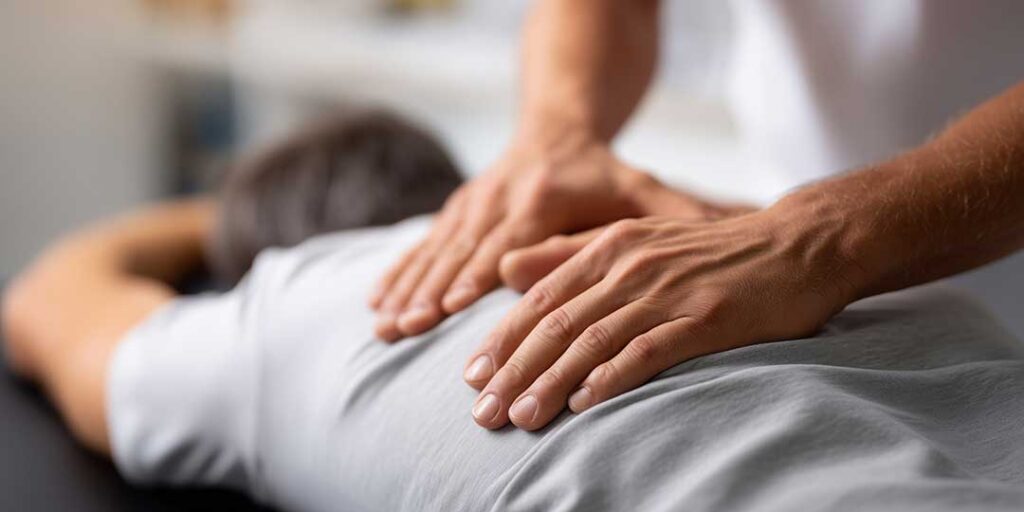
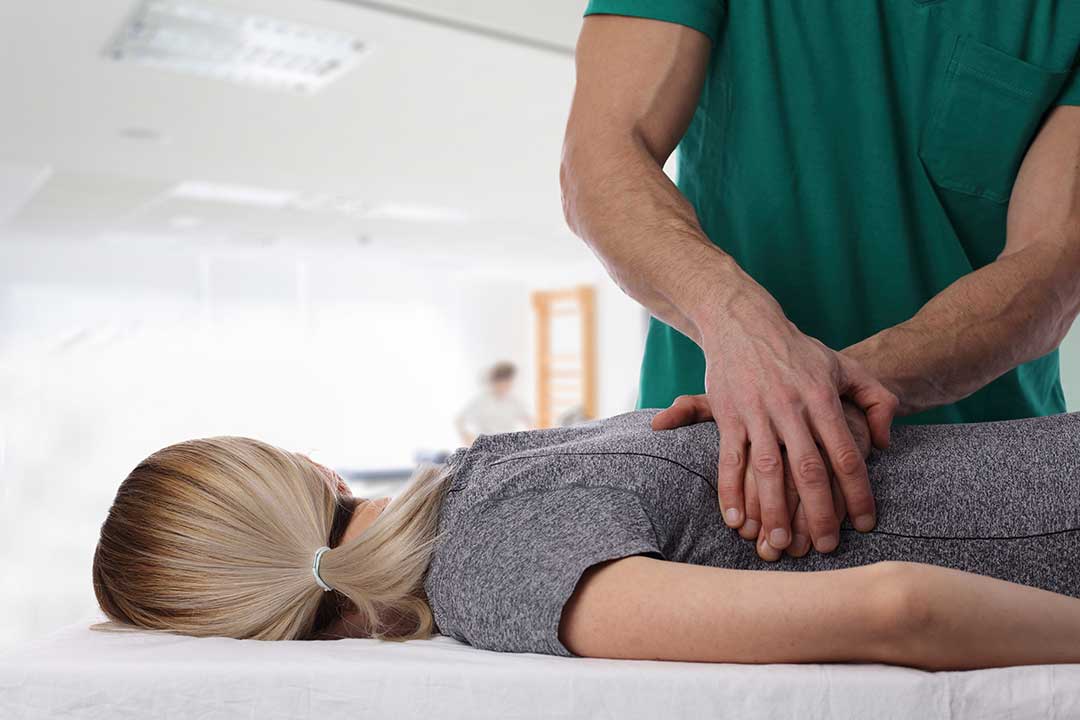
Manual therapies such as chiropractic care, massage, or physical therapy are widely used for back discomfort in pregnancy. Not all techniques are appropriate at every stage, and approaches should be gentle and adapted for pregnant bodies.
Pregnant individuals should receive care from someone experienced in prenatal care to ensure safety. Local healthcare guidelines favor practitioners with specific prenatal training and who follow evidence-based techniques. Residents with underlying health conditions or those considered high-risk should consult their primary health provider before seeking manual therapy.
When Should Someone Seek Medical Advice About Back Pain?
Mild back pain is common during pregnancy, but some symptoms require immediate attention. Seek medical advice if:
- Pain is severe, constant, or worsening rapidly
- Symptoms include fever, numbness, tingling, or weakness in the legs
- There are changes in bladder or bowel function
- Back pain is accompanied by cramping, bleeding, or fluid loss
These signs may indicate a condition unrelated to pregnancy or something that needs prompt evaluation.
Common Misunderstandings About Pregnancy-Related Back Pain
There is a tendency to accept all back aches as “just part of pregnancy,” but not all discomfort should be ignored. Persistent pain that interferes with sleep, activity, or daily life deserves attention. Some residents mistakenly believe any gentle exercise is risky; in truth, most benefit from movement as long as it is low-impact and adapted to personal ability.
Another misconception is that only significant weight gain causes back problems, but even those gaining little or within recommended ranges can experience discomfort due to posture changes and relaxin-induced joint mobility.
How Can Partners and Family Members Help?
Support from household members in the city makes a substantial difference. Things family can do include:
- Helping with lifting, especially during seasonal chores like shoveling snow
- Creating a relaxing, safe home environment
- Encouraging regular rest and assisting with daily tasks that strain the back
Small adjustments in shared spaces—such as adding extra pillows, keeping walkways clear, or arranging seating for better support—show consideration and make day-to-day life easier for pregnant members of Saratoga Springs homes.
