
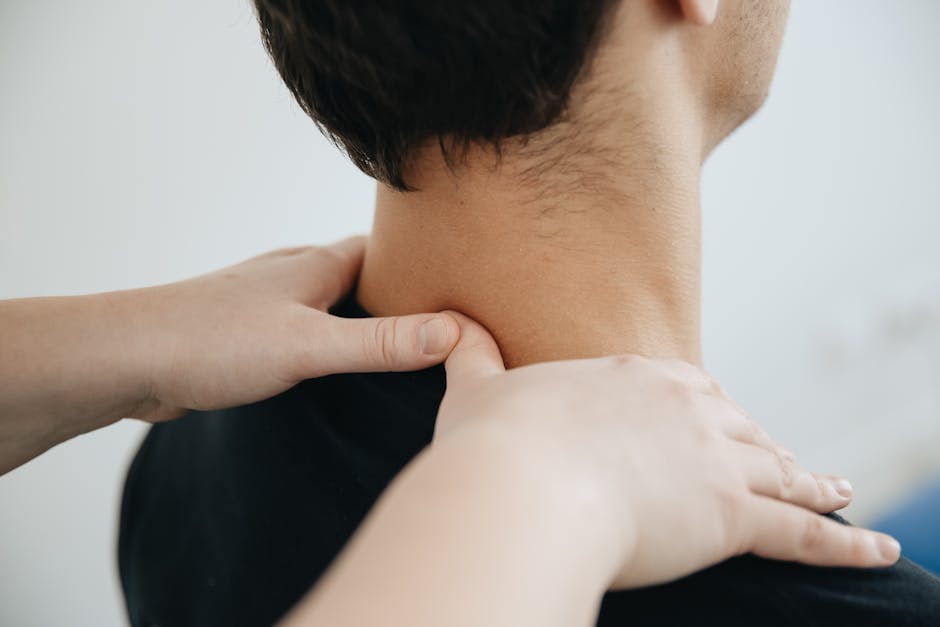
Living in Saratoga Springs, NY, means embracing a vibrant lifestyle filled with outdoor adventures, walking historic downtown streets, enjoying local spas, and participating in community sports. Whether you’re an avid hiker exploring Saratoga Spa State Park, a horse racing enthusiast, or simply valuing your family’s health and well-being, optimal nerve function is essential to maintaining your daily routine and favorite activities. Nerve compression, however, can subtly creep into your life—often going unrecognized until it disrupts your ability to enjoy these pursuits. Understanding the early warning signs of nerve compression is crucial if you want to stay active, pain-free, and engaged in Saratoga Springs’ unique community offerings.
What Is Nerve Compression?
Nerve compression, also known as nerve impingement or pinched nerve, occurs when surrounding tissues—such as bones, cartilage, muscles, or tendons—put pressure on a nerve. This can cause pain, numbness, tingling, weakness, or other uncomfortable sensations. In Saratoga Springs, daily activities such as gardening, walking long stretches of Broadway, or participating in local sports leagues often require repetitive motions or extended periods of sitting or standing, all of which can contribute to nerve compression.
Why Early Detection Matters
The sooner you recognize the signs of nerve compression, the more effectively you can address the issue before it escalates into chronic pain, muscle weakness, or a significant interruption to your active lifestyle. Saratoga Springs locals who appreciate seasonal festivals, biking trails, or paddleboarding on Saratoga Lake know how important it is to stay on top of their health—it allows them to fully participate in what the community has to offer.
Common Early Warning Signs of Nerve Compression
Wondering, “How do I know if I have a pinched nerve?” Here are symptoms that Saratoga Springs residents should watch out for, especially if they’re frequenting the Farmer’s Market with heavy bags, hitting the links at the golf courses, or commuting to Albany for work:
- Tingling or “Pins and Needles” – One of the earliest signs is a tingling sensation, most common in the hands, feet, arms, or legs. If you feel a frequent “pins and needles” feeling after a long walk through Congress Park or after time at the computer, take it seriously.
- Numbness – You might notice a loss of sensation in specific areas. This can make it hard to enjoy simple pleasures like playing catch in the park or enjoying a Saratoga Arts class.
- Burning or Shooting Pain – Sharp pain that travels along a nerve path often signals compression. For some, this pain worsens after local workouts, golf rounds, or extended periods of sitting during Upstate New York road trips.
- Muscle Weakness – If you suddenly find it harder to grip items at the Saratoga Farmers’ Market or you struggle to climb the Yaddo Gardens’ steps, weakness in the affected muscle group could be an early warning.
- Feeling That a Body Part Has “Fallen Asleep” – A persistent feeling that doesn’t resolve with movement might indicate nerve involvement, especially after sitting during a show at the Saratoga Performing Arts Center.
- Pain That Radiates Outwards – Especially from the neck down the arm or from the lower back down the leg, this can indicate sciatica or cervical radiculopathy.
- Worsening Symptoms with Specific Movements – If certain positions—like looking down at your phone or carrying groceries—exacerbate the symptoms, the nerve could be compressed.
Causes of Nerve Compression in Saratoga Springs
Local lifestyles and activities play a significant role in how and where nerve compression develops:
- Repetitive Motions – Typing at local co-working spaces or prepping for events can strain wrists and elbows.
- Outdoor Activities – Hiking, cycling, or golfing increases the risk of overuse injuries.
- Poor Posture – Sitting at local cafés or working remotely can lead to neck and back nerve impingement if posture is neglected.
- Injury – Slipping in icy winters or sports mishaps can result in acute nerve compression.
- Seasonal Chores – Raking leaves or snow shoveling increases back and shoulder overload.
When to Seek Help
If you notice early symptoms that persist for more than a few days, worsen, or interfere with your ability to enjoy your favorite Saratoga Springs activities, it’s important to consult a healthcare professional familiar with nerve issues. Ignoring symptoms can lead to chronic pain or even long-term nerve damage.
- Severe pain, loss of function, or bladder/bowel complications require immediate medical attention.
Tips for Saratoga Springs Residents to Prevent Nerve Compression
Protect your health and enjoy everything Saratoga Springs has to offer by incorporating these habits:
- Take Breaks – Alternate between tasks and stretch regularly, especially if you work from home or attend local meetings.
- Stay Active – Gentle activities like walking Saratoga’s trails, yoga in the park, or swimming at local gyms can keep your nerves and muscles healthy.
- Practice Good Posture – Use ergonomic chairs at work or home, and avoid hunching over your phone or tablet.
- Mind Your Form – When lifting objects during festivals or shopping sprees, use your legs instead of your back.
- Warm Up Before Activities – Prioritize stretching and gentle movement, whether you’re getting ready for a jog around Saratoga Lake or a horseback riding adventure.
Conclusion
Early detection of nerve compression is the key to maintaining your active, fulfilling Saratoga Springs lifestyle. By knowing what symptoms to watch out for, you can take action before nerve compression disrupts your health, comfort, and ability to enjoy the best experiences this unique Upstate New York town has to offer. If you sense these early warning signs, listen to your body and take steps to address the problem—your Saratoga adventures await!
