
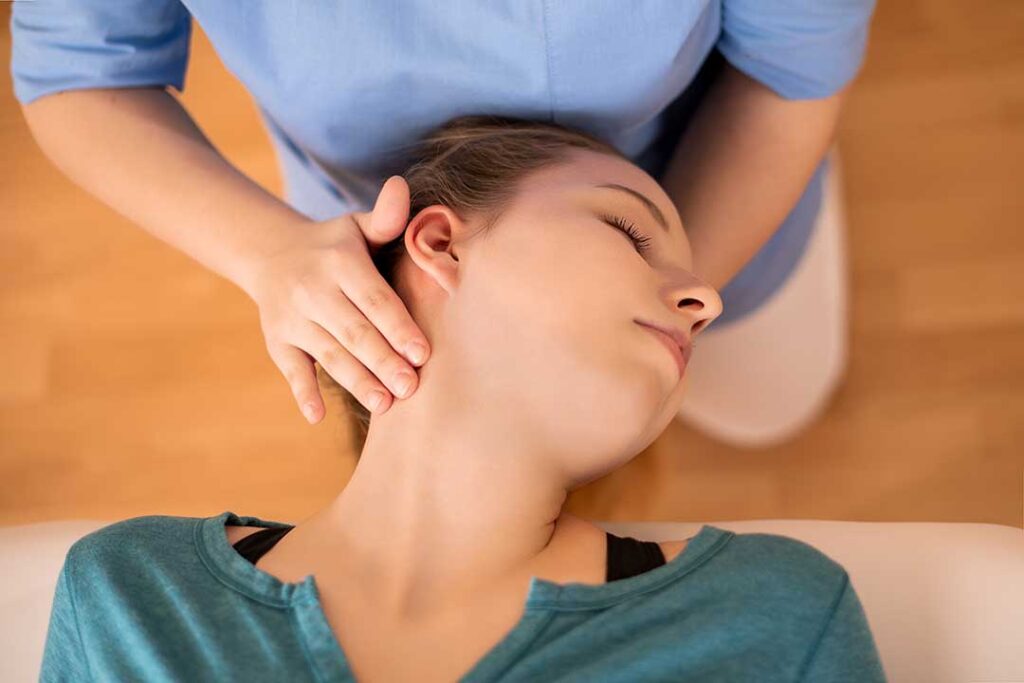
A healthy spine does more than prevent back pain. It helps the body move, balance, absorb force, protect nerves, and support everyday activities such as walking, lifting, sleeping, working, and participating in recreation. When spinal function is limited, the effects can reach well beyond the back itself.
For residents of Saratoga Springs, seasonal conditions, household tasks, commuting, desk work, and outdoor activities can all influence how the spine feels and functions. Understanding the connection between spinal health and quality of life can make it easier to recognize problems early and choose sensible habits.
How does spinal health affect daily life?
Spinal health affects movement, comfort, strength, balance, and independence. The vertebrae, discs, muscles, ligaments, and nerves work together to support the upper body and coordinate movement. Problems in any of these structures may cause pain, stiffness, weakness, or reduced mobility. ([niams.nih.gov](https://www.niams.nih.gov/health-topics/back-pain?utm_source=openai))
Even mild discomfort can change daily behavior. Someone with back pain may avoid stairs, shorten walks, stop exercising, sleep poorly, or rely on awkward positions to complete ordinary tasks. Over time, avoiding movement can lead to deconditioning, making the body less prepared for lifting, bending, or recreation.
The effects may also be emotional. Persistent pain is often associated with disrupted sleep, stress, anxiety, low mood, and difficulty concentrating. These factors can make pain feel more severe and may interfere with work, family responsibilities, and social activities. ([niams.nih.gov](https://www.niams.nih.gov/health-topics/back-pain?utm_source=openai))
What are common signs that spinal health may be affecting quality of life?
The most noticeable sign is often a change in what a person can comfortably do. Warning patterns include:
- Pain or stiffness that makes walking, sitting, standing, or driving difficult
- Reduced ability to bend, reach, lift, or turn
- Pain that travels from the back or neck into an arm or leg
- Numbness, tingling, or weakness
- Frequent headaches associated with neck tension
- Sleep disruption caused by discomfort
- Avoiding exercise, household work, hobbies, or social activities
Not every symptom comes from the spine. Muscles, joints, nerves, inflammatory conditions, injuries, and other health problems can produce similar complaints. A careful history and examination are needed to determine the likely source.
Can posture cause back or neck problems?
Posture is one contributing factor, but it is rarely the only cause. Sitting in one position for a long time, using an unsupportive workstation, or repeatedly looking downward at a device can fatigue muscles and increase discomfort. A desk job may contribute to back pain, particularly when combined with prolonged sitting and limited movement. ([niams.nih.gov](https://www.niams.nih.gov/health-topics/back-pain?utm_source=openai))
Good posture does not mean holding the body rigidly or trying to maintain a perfect position all day. A more practical goal is to keep the head generally over the shoulders, the shoulders over the hips, and the spine in a comfortable neutral position. Changing positions regularly is often more useful than trying to sit perfectly for hours.
During work or study, area households can try:
- Keeping frequently used items within easy reach
- Supporting the lower back when a chair does not provide enough support
- Placing both feet on the floor or on a low footrest
- Standing, walking, or gently moving at regular intervals
- Adjusting screens so the head does not remain tilted downward
How do exercise and movement support spinal health?
Regular movement helps maintain strength, flexibility, balance, and confidence. Physical activity can also improve sleep and help people function better when pain is present. The key is gradual, consistent activity rather than sudden intense exercise after a long inactive period. ([cdc.gov](https://www.cdc.gov/physicalactivity/basics/index.htm?utm_source=openai))
Walking, swimming, appropriately scaled strength exercises, balance work, and gentle mobility exercises may all support spinal function. In Saratoga Springs, changing seasonal conditions can affect routines. Outdoor walking may be easier during warmer months, while indoor mobility and strength work may become more practical during icy or cold periods.
Exercise should not be treated as a test of toughness. New or worsening pain, marked weakness, or symptoms that spread into an arm or leg may require a more cautious approach. Activities that clearly increase symptoms should be modified rather than forced.
What everyday habits protect the spine?
Spinal health depends on repeated daily choices, not just formal exercise. Helpful habits include lifting with the legs and keeping a load close to the body, limiting the weight carried at one time, and avoiding unnecessary twisting while holding something heavy. NIH guidance also recommends gradually increasing activity, avoiding prolonged bed rest, and changing positions during extended sitting. ([ors.od.nih.gov](https://ors.od.nih.gov/sr/dohs/HealthAndWellness/Ergonomics/Pages/spine.aspx?utm_source=openai))
Seasonal chores can place unusual demands on the back and shoulders. Snow removal, moving outdoor equipment, gardening, carrying storage containers, and cleaning after winter weather often involve bending, reaching, pushing, and lifting. Safer strategies include taking smaller loads, using equipment that fits the person, warming up before strenuous work, and taking breaks before fatigue changes lifting technique.
Sleep is another part of spinal health. A supportive sleeping position may reduce strain, although comfort varies. Some people find relief by placing a pillow under the knees while sleeping on the back or between the knees while sleeping on the side. ([niams.nih.gov](https://www.niams.nih.gov/health-topics/back-pain/diagnosis-treatment-and-steps-to-take?utm_source=openai))
What role can chiropractic care play?
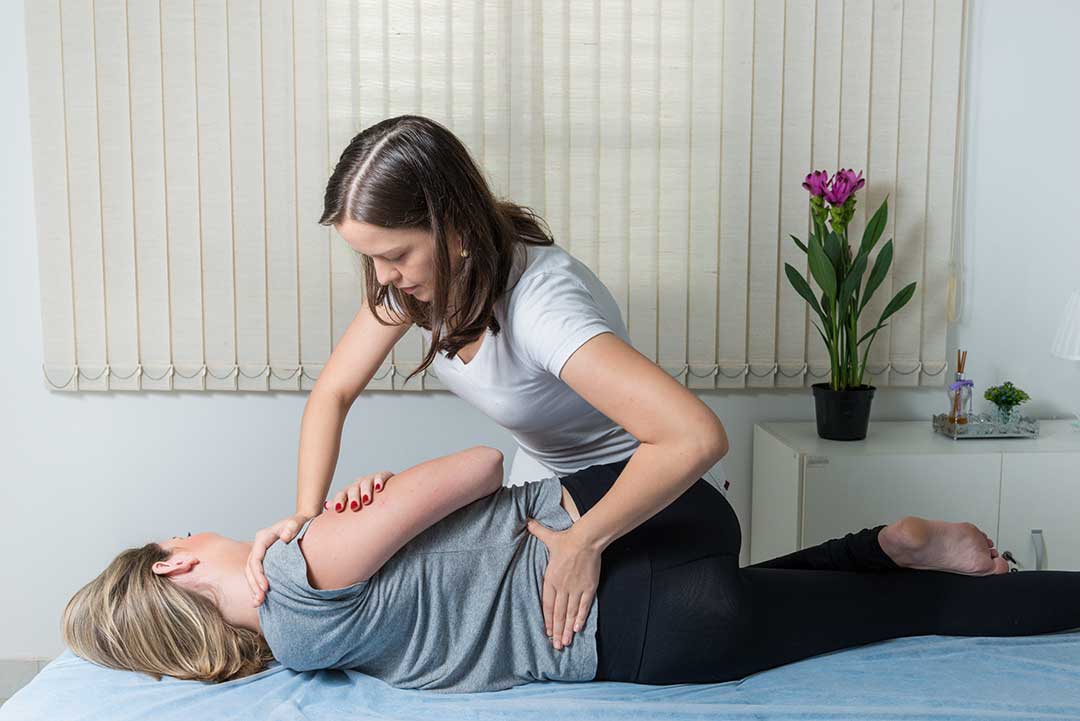
Chiropractic care may include spinal manipulation, soft-tissue techniques, movement advice, and exercise guidance. Spinal manipulation is one nondrug approach that may help some people with low-back pain, particularly when used as part of a broader plan focused on function and activity. Evidence-based care should account for the person’s symptoms, medical history, goals, and possible risks. ([niams.nih.gov](https://www.niams.nih.gov/health-topics/back-pain/diagnosis-treatment-and-steps-to-take?utm_source=openai))
It is a misconception that every spinal problem requires an adjustment, or that an adjustment can correct every cause of pain. Some conditions need medical evaluation, imaging, medication, physical therapy, or other care. Chiropractic treatment should not delay assessment of symptoms that could indicate nerve compression, fracture, infection, cancer, or another serious condition.
When is back or neck pain urgent?
Most back pain is not caused by a life-threatening condition, but certain symptoms need prompt medical attention. Seek urgent evaluation for back pain accompanied by new loss of bladder or bowel control, numbness around the groin or inner thighs, significant or progressive leg weakness, fever, unexplained weight loss, major trauma, or severe pain that does not ease with rest. Back pain with a history of cancer, infection risk, or significant bone fragility also deserves prompt assessment. ([nhs.uk](https://www.nhs.uk/conditions/back-pain/?utm_source=openai))
For less urgent symptoms, track what changes the pain: sitting, walking, lifting, sleep, stress, or a particular activity. That information can help distinguish a temporary strain from a recurring problem and can guide an appropriate evaluation.
Spinal health is closely tied to the ability to participate in ordinary life. Comfortable movement, regular activity, sound sleep, sensible lifting habits, and timely attention to concerning symptoms are practical ways to protect that connection.
