
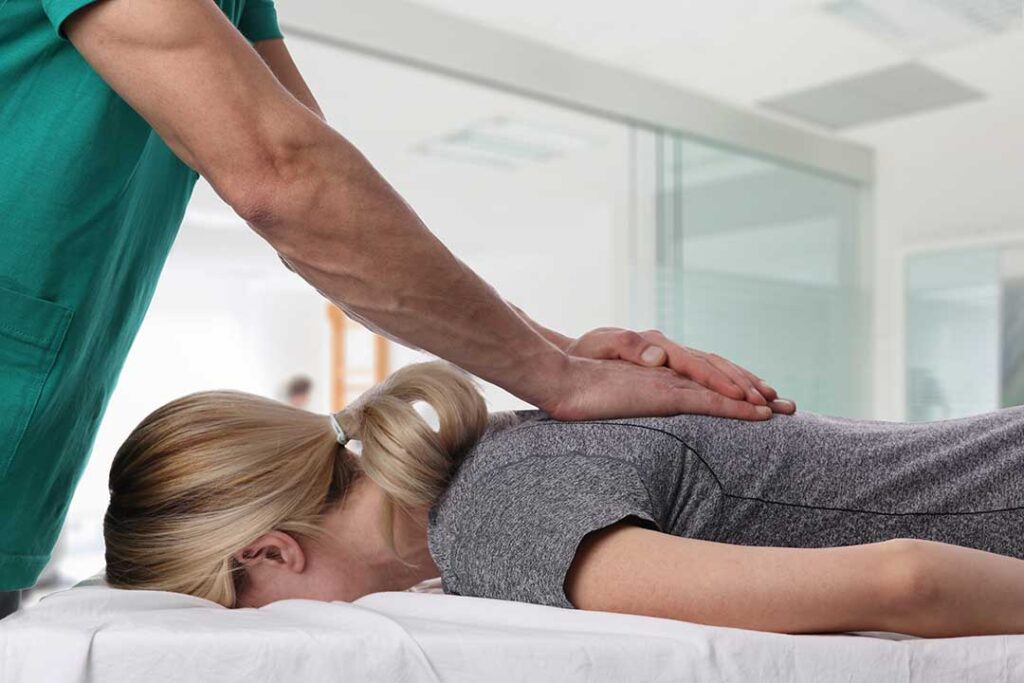
What Is the Graston Technique?
The Graston Technique is a manual therapy that uses specialized stainless steel instruments to address soft tissue restrictions and scar tissue. Instead of using only hands, providers glide these instruments over the skin to help identify and treat areas of muscle tightness, ligament pain, or fascial restriction. The approach aims to enhance mobility, reduce discomfort, and promote a more efficient recovery from overuse or injury.
How Does the Graston Technique Work in Practice?
In practice, a trained provider uses carefully crafted metal tools to gently scan and treat muscles, tendons, or ligaments. The process starts with applying a lubricant to the skin, making it easier for the instrument to glide without irritation. The provider checks for subtle changes in tissue texture—like tight bands, knots, or gritty areas—then applies gentle to moderate pressure.
By mechanically stimulating tissues, this technique is thought to:
- Break down scar tissue and fascial adhesions
- Increase local blood flow
- Support healing by stimulating a mild inflammatory response
- Improve flexibility and range of motion
Sessions are typically short, lasting 10–15 minutes for each treated area. Some mild redness or discomfort during or after treatment is common but usually subsides quickly.
Who Might Benefit from the Graston Technique?
Residents who experience chronic soreness, reduced mobility, or persistent soft tissue pain may find this approach helpful. Common conditions where the Graston Technique is considered include:
- Tendon injuries, such as tennis elbow or Achilles tendinopathy
- Plantar fasciitis, especially in individuals active on local trails or fitness paths
- Muscle strains from shoveling, gardening, or recreational sports
- Post-surgical scar management
- General tension in the neck, shoulders, or lower back
Local climate and seasonal routines—especially winter snow removal or increased outdoor activity during summer—often bring about specific aches and repetitive strain that may be suitable for instrument-assisted soft tissue therapy.
Is the Graston Technique Painful or Risky?
While the process can create a mild scraping or rubbing sensation, most people describe the discomfort as manageable and short-lived. Temporary redness or small bruises can appear but tend to resolve within days.
Providers are trained to adjust pressure to a person’s sensitivity, and treatment is not meant to cause significant pain. The technique is generally safe, but some groups—such as those with certain blood disorders or who take blood thinners—should check with their primary healthcare provider before starting.
What Happens During a Typical Session?
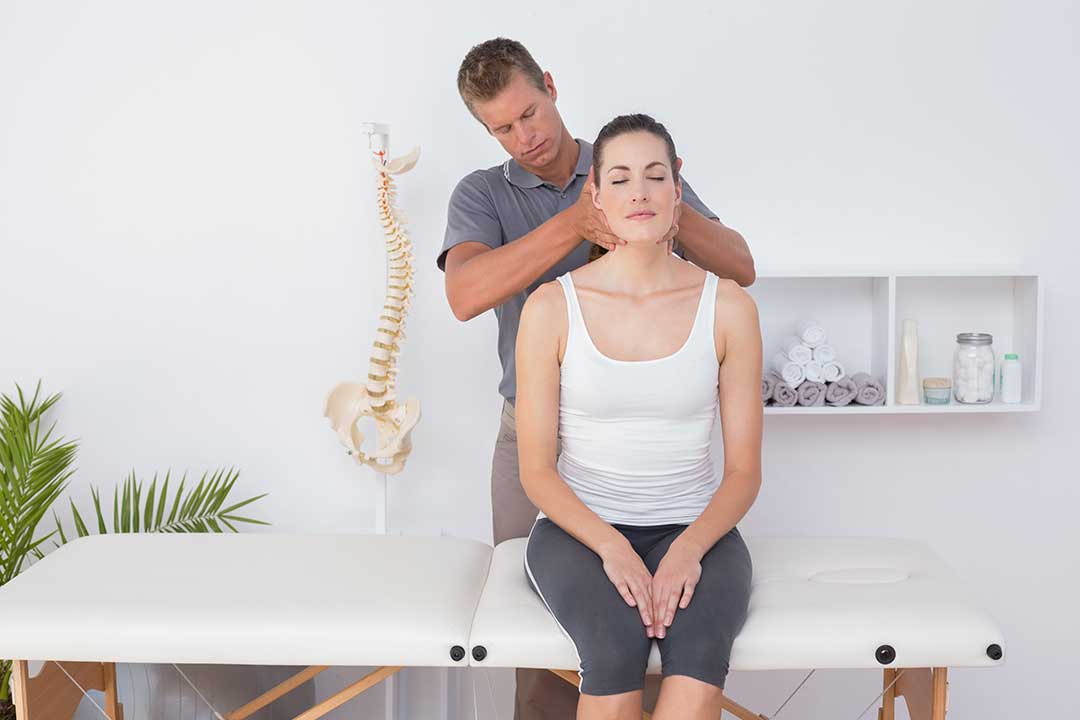
A Graston Technique session often involves more than just the instrument. A typical visit includes:
1. Brief evaluation of the concern and affected structures
2. Application of the instrument over lubricated skin to identify restricted areas
3. Slow, methodical strokes with varied pressure
4. Often, stretching or gentle exercises afterward to encourage tissue adaptation
Sessions are sometimes combined with other approaches like joint mobilization, corrective exercises, or ergonomic advice relevant to local lifestyles—such as adaptations for home offices or strategies for dealing with winter chores.
How Many Sessions Are Usually Needed?
The number of sessions varies. Many people start to feel benefits within three to six visits, especially if coupled with home routines like stretching or targeted exercise. Longstanding or severe issues may require ongoing care spaced out over time. The goal is to create lasting improvements by addressing both the immediate restriction and contributing habits or movements.
Are There Misconceptions About the Graston Technique?
A common misconception is that deeper pressure or visible bruising means better results. In reality, effective care prioritizes targeted, comfortable pressure and clear communication. Bruising is a possible side effect but not a goal of treatment. Another misunderstanding is that only athletes or very active individuals can benefit, while in fact, the method can assist many people, including those whose jobs or hobbies lead to recurring tension or overuse injuries.
What Should Saratoga Springs Residents Know Before Considering the Graston Technique?
Before opting for the Graston Technique, area residents should consider their unique situations:
- If recovering from an acute injury, waiting for initial inflammation to subside may be best
- Communication with any treating provider is vital to tailor the session for comfort and goals
- It’s helpful to pair in-office treatment with home strategies like heat packs or self-massage, especially during colder months or for residents with less daily activity
- Be aware that insurance coverage can vary, and it’s useful to check benefits if cost is a deciding factor
Because Saratoga Springs has a mix of outdoor recreational opportunities and varying weather, residents may notice changes in symptoms with activity level or seasonality. Setting realistic expectations and being consistent with supportive care—rather than seeking “quick fixes”—offers the best chance for improvement.
